Trucking Companies Overpay Sales Tax on Exempt Equipment
Share this Article:
Industry insight
In today’s competitive freight market, controlling costs can be the difference between staying profitable and falling behind. Yet many trucking companies are unknowingly leaving money on the table by overpaying sales tax on equipment purchases that may actually qualify for exemption under federal excise tax (FET) rules.
The Overpayment Problem
When purchasing tractors, trailers, or specialized equipment, trucking companies often pay sales tax at the point of purchase. Dealers and vendors, however, may not always apply the correct exemptions. This leads to carriers absorbing thousands—or even millions—of dollars in unnecessary costs over time.
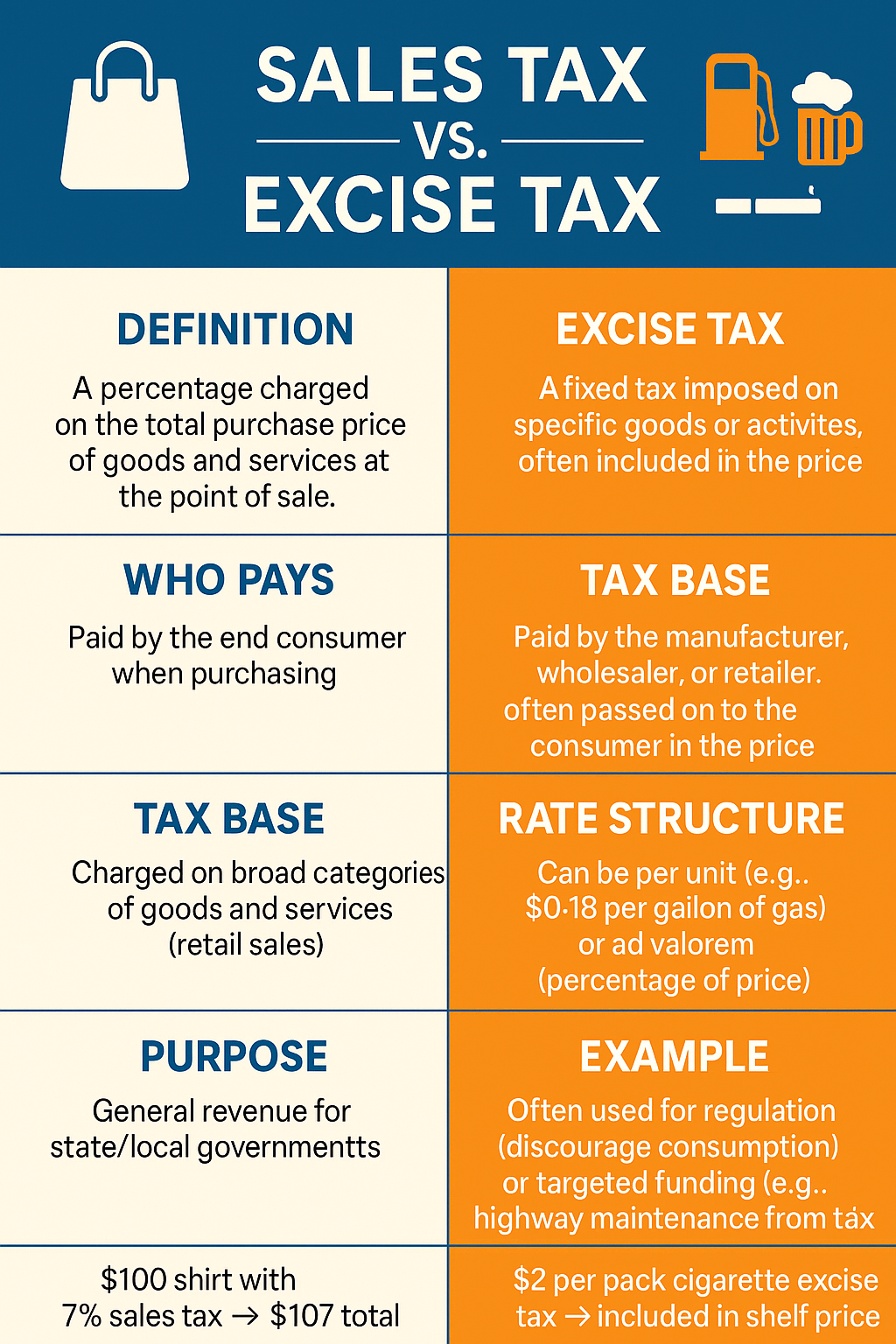
Much of the confusion stems from the interaction between state sales tax laws and the federal 12% excise tax (FET) on heavy trucks, tractors, and trailers. While the excise tax has its own set of rules and exemptions, many states mirror those exemptions in their sales and use tax laws. That means if a vehicle or piece of equipment qualifies for FET exemption, it may also be exempt from state sales tax.
Common Examples of Exempt Equipment
Trucking companies may qualify for exemptions on:
- Highway tractors and trailers used primarily in interstate commerce.
- Special-use equipment that meets weight or design thresholds under FET law.
- Add-on components or retrofits that are directly related to the operation of an exempt vehicle.
In practice, though, many companies simply pay the sales tax invoice without reviewing whether the exemption applies.
Why This Matters Now
Margins in trucking are tighter than ever. Fuel, insurance, and driver wages continue to climb, while freight rates fluctuate. Sales tax can represent 6–9% of an equipment purchase price—a $150,000 tractor could carry an additional $9,000 to $13,000 in unnecessary sales tax if an exemption was overlooked.
Multiply that across a fleet purchase, and the impact can be significant. For growing fleets or companies refreshing equipment annually, reclaiming these overpayments can directly strengthen cash flow and bottom-line profitability.
How to Avoid Overpaying
- Review Past Purchases – Many states allow companies to file for refunds of sales tax paid in error, sometimes for up to three or four years.
- Coordinate with Dealers – Ensure that equipment vendors understand and apply the correct exemption certificates at the time of purchase.
- Consult Indirect Tax Experts – Sales and excise tax laws vary by state and are complex. A knowledgeable tax advisor can help identify exemptions, file refund claims, and structure purchases correctly going forward.
- Train Procurement Staff – Your team should know when to flag a transaction for tax review rather than automatically paying the billed tax.
Bottom Line
Sales tax on trucks, trailers, and related equipment is not always a given. Many trucking companies pay more than they should simply because they don’t connect excise tax rules to their state sales tax liability. With careful review and proper planning, fleets can capture meaningful savings—dollars that can be reinvested into operations, drivers, and growth.
Share with Us: