
How Drop Shipping Impacts Sales Tax in Trucking
Share this Article:
Drop shipping often appears to be a clean solution in a high-pressure supply chain. Orders move quickly, products never touch your warehouse, and customers receive what they need without delay. It feels efficient at first, until a sales tax notice arrives and shifts the focus. When goods pass through multiple hands and cross state lines, tracking sales tax obligations becomes significantly more complex. That complexity is often overlooked, creating real financial exposure for trucking companies without strong tax planning and documentation controls.
What Is Drop Shipping in the Context of Trucking?
In trucking, drop shipping typically involves a vendor shipping goods directly to a customer on behalf of a third party, often the trucking company or a parts distributor. The trucking business facilitates the sale but never physically handles the inventory. This structure is common when time, space, or logistics make it impractical to route products through a central warehouse.
While the transaction may seem straightforward, the tax treatment behind it rarely is. There are often three parties involved: the seller, the shipper, and the final customer. Each may be in a different state, each state may apply different sourcing rules, and the seller may or may not be registered to collect tax in the ship-to location.
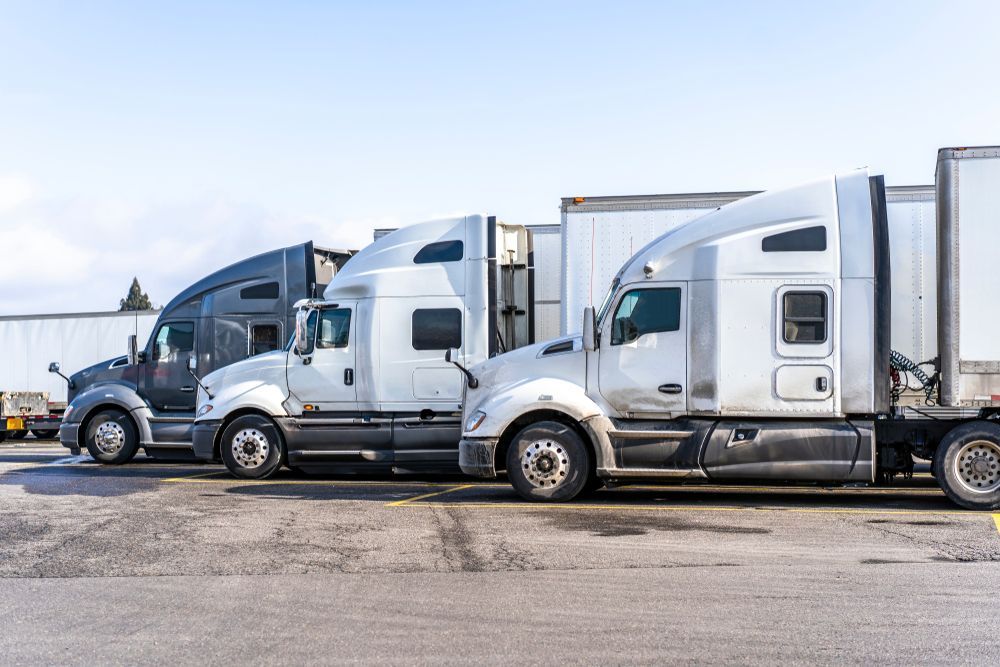
Trucking companies that use drop shipping as part of their parts or equipment supply chain may unknowingly create drop shipping tax obligations across multiple jurisdictions. Without a clear understanding of each party’s role, tax responsibility can be misinterpreted or overlooked.
Sales Tax Fundamentals Every Trucking Company Must Understand
Sales tax liability in trucking depends on several factors, including who the buyer is, where the product ships, how the transaction is structured, and which exemptions apply. States may treat similar transactions differently, and rules around resale certificates, nexus, and sourcing can quickly complicate even routine purchases.
Drop shipping makes this even more layered. A trucking company may believe the vendor is handling the tax, while the vendor assumes the trucking company has collected and documented it properly. That misunderstanding can leave gaps in compliance and increase audit risk. In a
multi-state sales tax environment, one misstep can expose the business to unexpected assessments or back taxes.
Many trucking operations already manage tight timelines, decentralized purchasing, and overlapping vendors. Adding tax complexity into that mix introduces new
compliance challenges, especially when documentation is inconsistent or overlooked. Without a clear process for assigning and tracking drop shipping tax responsibility, companies increase their exposure every time a product moves across a state line.
Drop Shipping’s Sales Tax Implications in Multistate Trucking Operations
When trucking companies use drop shipping to source and deliver parts, equipment, or supplies, the tax impact often spans more than one jurisdiction. A vendor may ship goods directly to the trucking company’s customer, but the sale itself involves multiple states, and each may apply different rules to sourcing, exemption recognition, and nexus.
In these situations, determining who is responsible for collecting and remitting sales tax depends on the tax registration status of each party and where the product is delivered. Some states consider the delivery location the point of sale. Others consider where the seller holds nexus or where the purchaser takes title. The more disconnected the transaction becomes, the more difficult it is to apply the correct tax treatment.
Trucking companies engaged in drop shipping should be cautious when relying on vendor tax handling without reviewing the details. Misapplied sourcing rules or missing resale documentation can result in use tax exposure, denied exemptions, or audit penalties. Working through the drop shipping tax implications early can help reduce long-term exposure.
Supplier and Vendor Compliance Considerations
When trucking companies rely on drop shipping, they often place responsibility for tax collection and documentation in the hands of third-party suppliers. This creates risk if vendors are unfamiliar with multi-state rules or do not collect and retain the correct paperwork. Even a valid exemption can be rejected if documentation is incomplete or the vendor is not registered in the delivery state.
Key compliance areas to review include:
- Resale certificates: Confirm they are current, properly completed, and accepted in the destination state
- Vendor nexus status: Know which states your suppliers are registered to collect sales tax in
- Invoicing practices: Verify that tax is applied (or not) based on correct sourcing rules
- Record retention: Make sure documentation supports exemption claims during audit
- Drop ship coordination: Communicate clearly which party is handling tax obligations on multi-party transactions
- Exemption misuse: Avoid using blanket exemption certificates for transactions that don’t qualify under state-specific rules
Strong vendor compliance reduces downstream exposure and helps maintain consistent, audit-ready records.

How Transportation Tax Consulting Helps Mitigate Drop Shipping Tax Risk
Drop shipping introduces multiple layers of tax exposure that many trucking companies are not equipped to manage on their own.
Transportation Tax Consulting works directly with transportation businesses to identify gaps in documentation, review vendor relationships, and clarify how sourcing and exemption rules apply across jurisdictions.
Our tax services are built to strengthen internal compliance across multi-party transactions. This includes reviewing existing resale certificate procedures, evaluating supplier nexus concerns, and advising on invoicing practices that reduce audit risk. We also help teams assess historical exposure and pursue overpaid tax recovery where appropriate.
Transportation Tax Consulting brings decades of experience navigating the complexities of sales tax in the transportation industry. Our team understands how operational decisions connect to tax outcomes, especially in environments where speed and scale often come before compliance.
If your company is using drop shipping and wants to reduce exposure across state lines, we invite you to
contact us to start the conversation.
Key Takeaways for Trucking Companies Engaged in Drop Shipping
Drop shipping simplifies logistics but complicates sales tax. When multiple states and parties are involved, tracking responsibility becomes harder, not easier. Miscommunication, missing documentation, or reliance on vendor assumptions can all lead to unexpected tax exposure. For trucking companies operating across jurisdictions, addressing these risks early creates more certainty, stronger records, and fewer surprises when audits come around.
Share with Us: